
From Idea to Agent in Minutes - Code or No Code
Build with freedom. Start with conversation or code, then move toward production on one platform with guardrails, control, and trust from day one. Build agents for voice, SMS, and chat across support, operations, finance, HR, and call-center workflows.
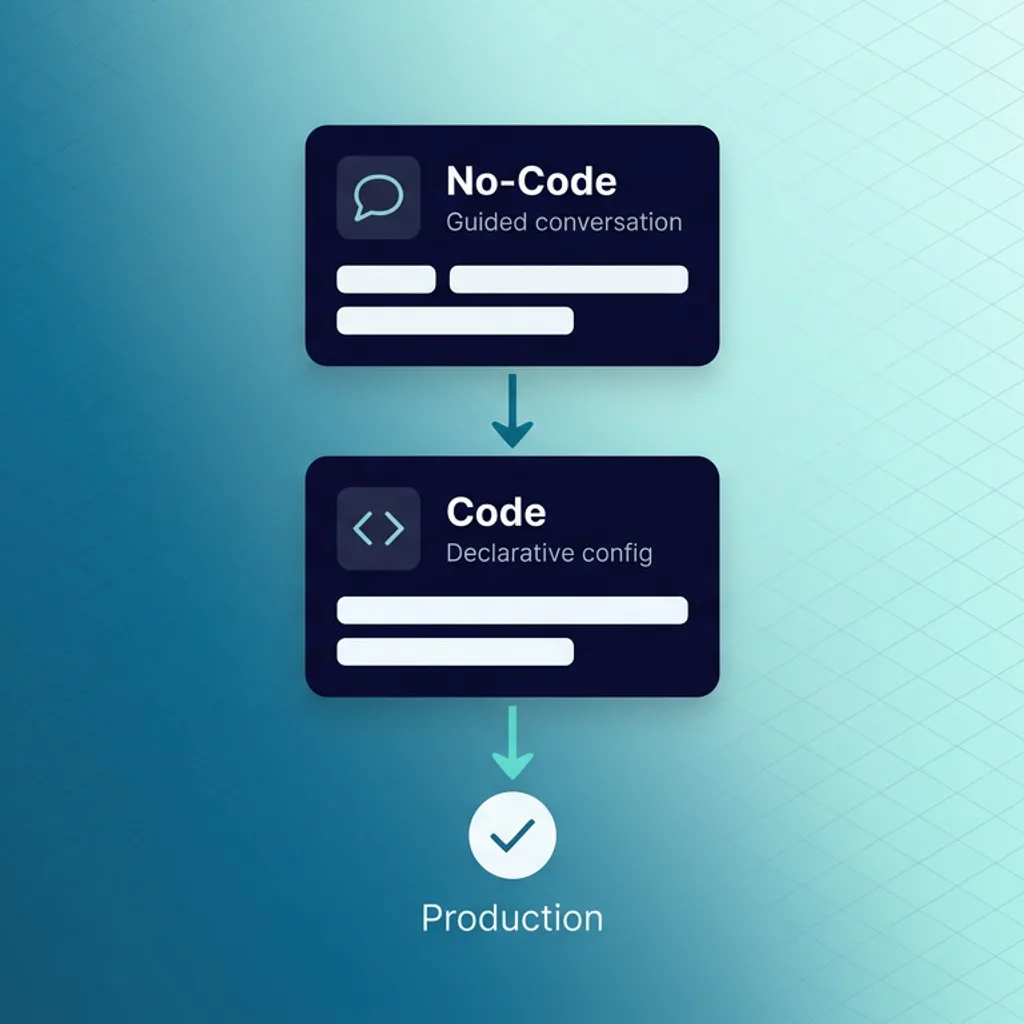
Code and No-Code Agent Development
Syllable platform gives domain experts and engineering teams a shared way to build agents without forcing a tradeoff between speed and control.
For engineers: Define agents programmatically through declarative configurations and APIs that support versioning, reviewability, and safe iteration.
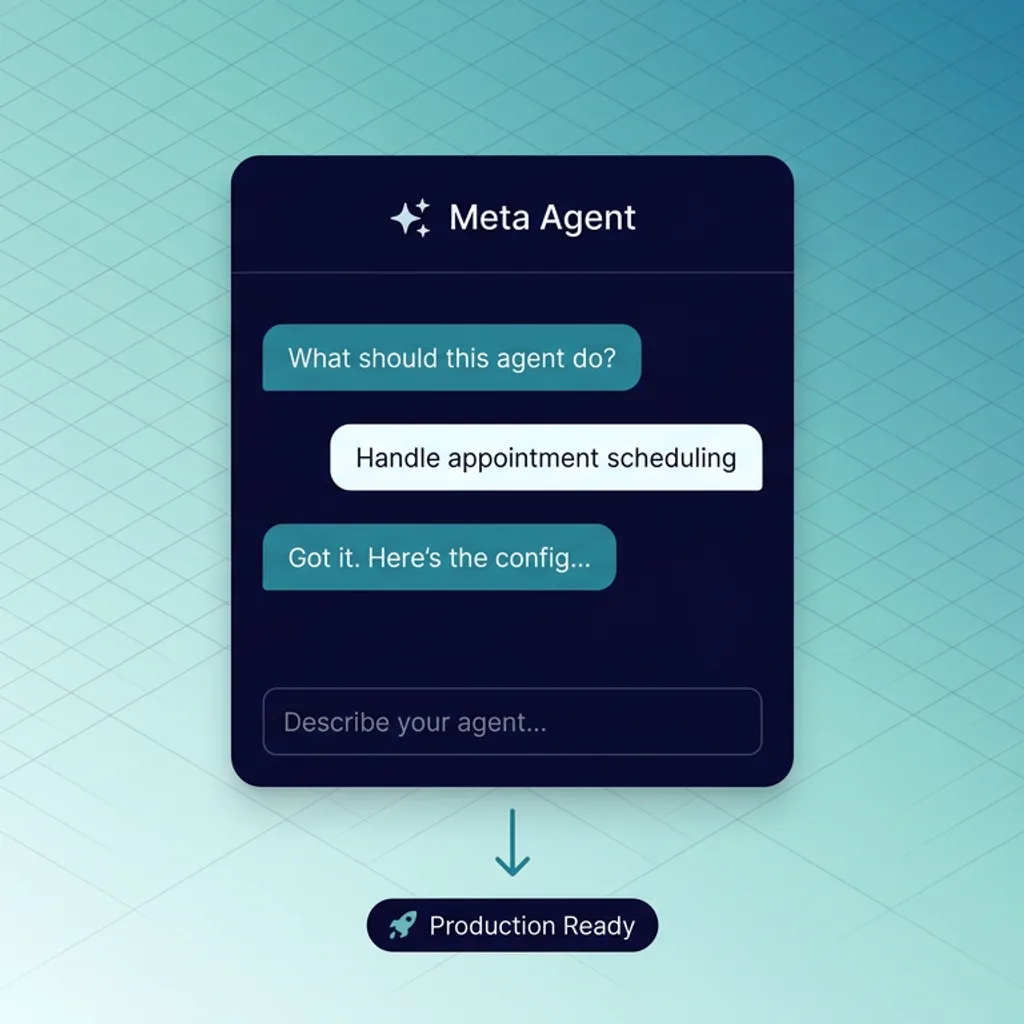
For non-technical users: The Meta Agent guides users through agent creation in natural language, helping them define goals, tools, and workflows without needing to write code.
Common starting points from the current materials:
- Internal copilots
- Operations and back-office assistants
- Support and call-center agents
- Prompt editing
- Prompt versioning and reviewable configuration changes
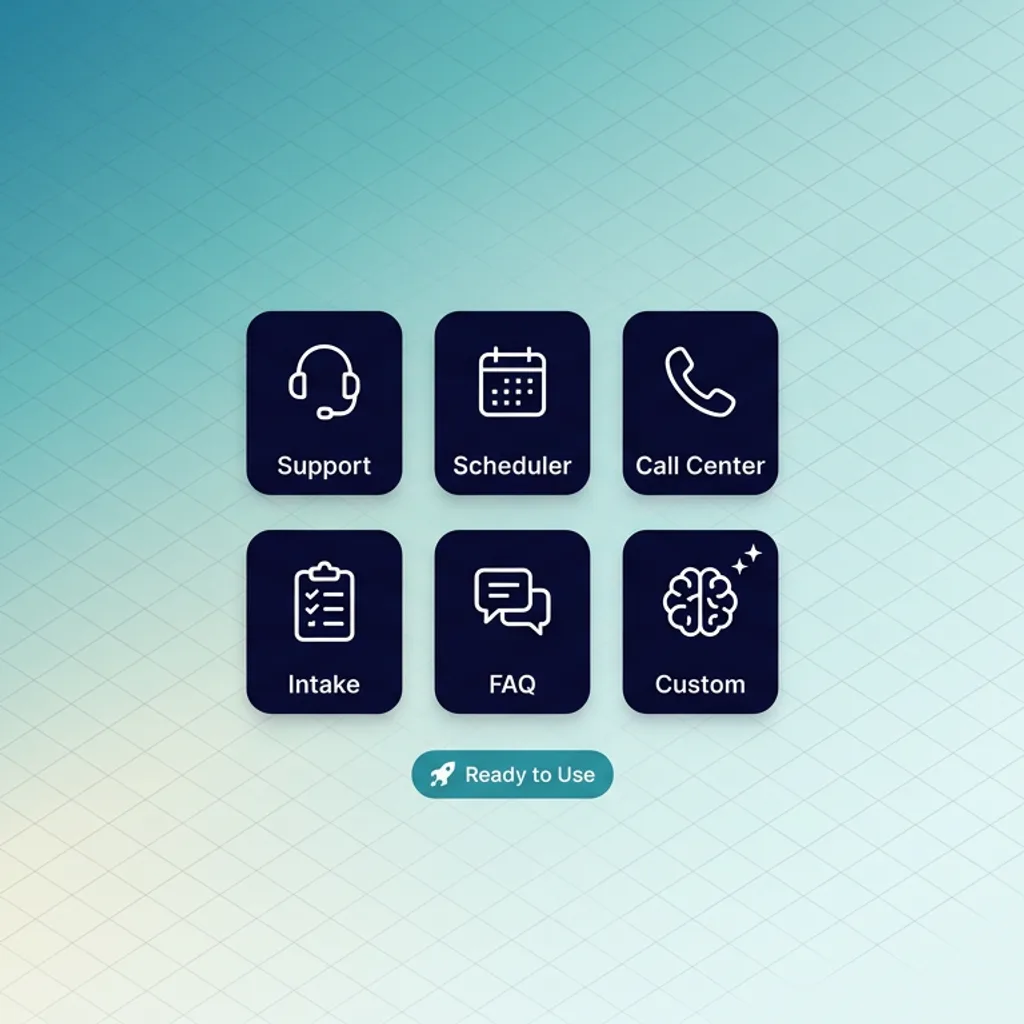
- Templates that help teams get started quickly
- Multilingual support for contact-center use cases
- Support for voice, SMS, and chat experiences
- Recorded and transcribed call flows for review and refinement
Agents Are More Than Prompts
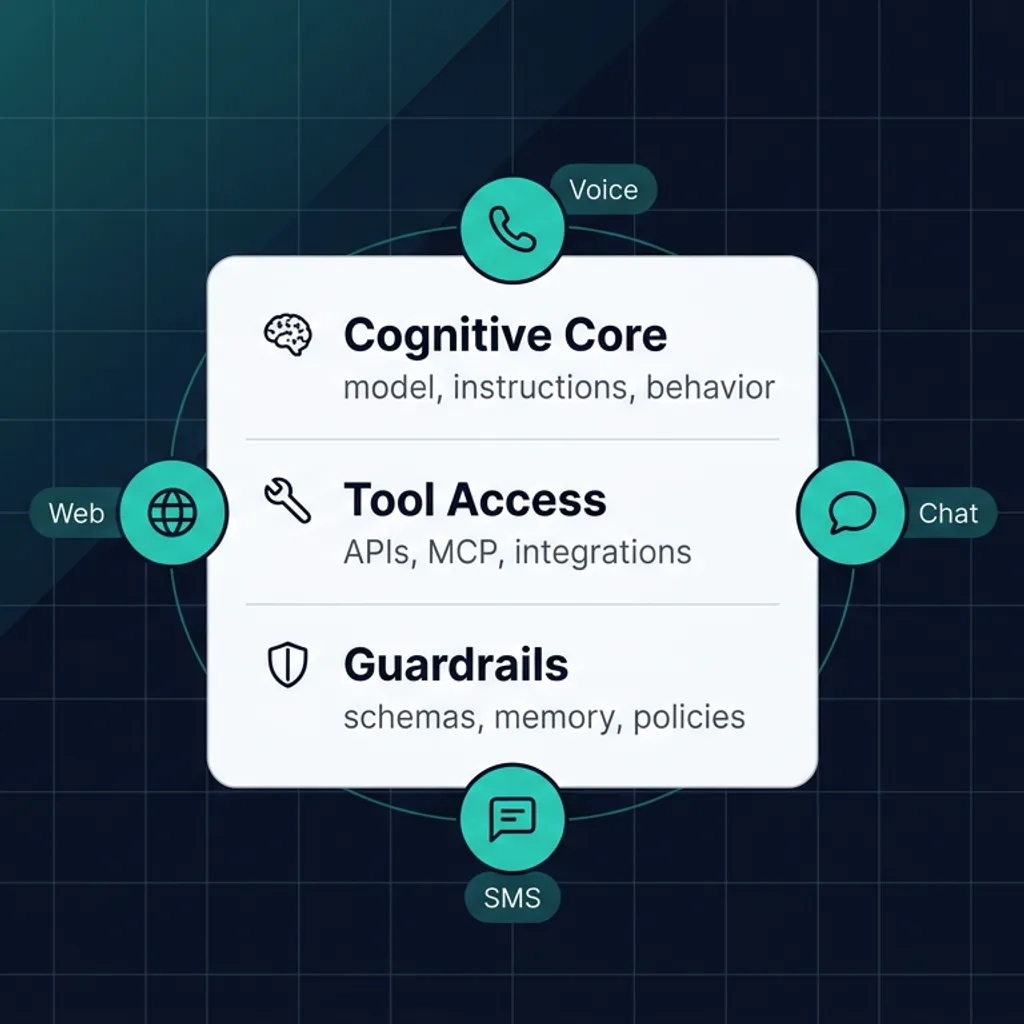
A Syllable agent is more than a prompt. It is the combination of model intelligence, tool access, memory, workflows, and platform guardrails that make behavior reliable in real-world use. Agents connect to real tools, systems, and workflows so they can do useful work inside operating environments, not just produce text.
- Cognitive CoreThe model, instructions, and behavior settings that define how the agent reasons and responds.
- Tool AccessThe business systems, APIs, and workflows the agent can use to take action, including standard integrations and protocol-based tools such as Model Context Protocol (MCP).
- Platform GuardrailsThe schemas, memory, policies, and safety controls that keep outputs valid, predictable, and secure.
Configuration as the Source of Truth
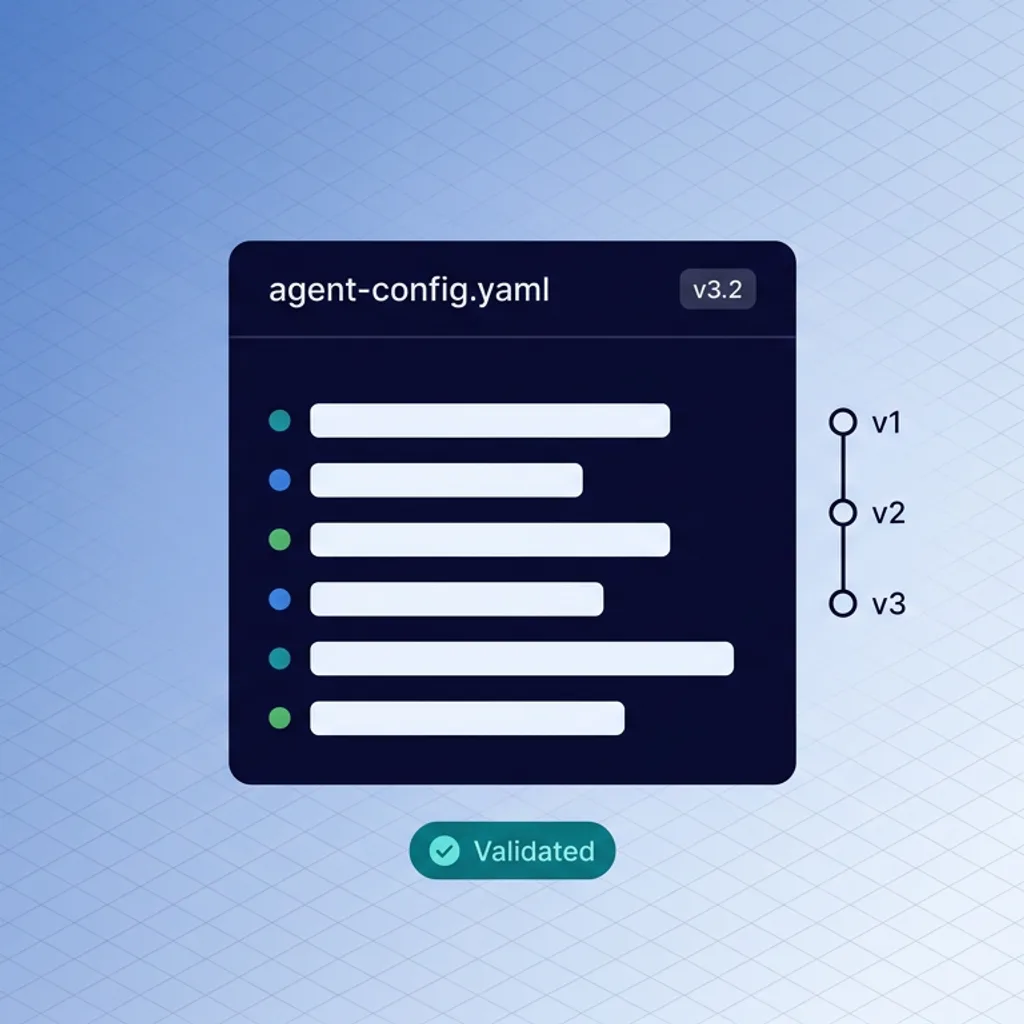
Agent configuration should be understandable, reviewable, and safe to evolve. Syllable uses declarative configuration so teams can manage agent behavior as a versioned source of truth instead of a collection of hidden runtime decisions.
Configurations are validated before they reach production. Version history supports rollback, controlled experimentation, and safer release management. The result is faster iteration without sacrificing operational discipline.
Templates and reusable patterns can help teams get started faster while still preserving a governed, reviewable source of truth.
From Idea to Agent. No Code Required.
The Meta Agent helps users create agents through guided conversation. It turns plain-language intent into working configurations, while keeping the user in control of goals, tools, workflows, and constraints.
Behind the scenes, the Meta Agent applies platform guardrails automatically so teams can preview behavior, refine configurations, and move toward production with confidence. It is not just a chatbot for prototyping - it is a guided path into a trusted build surface.
This gives domain experts a way to define intent while engineering keeps control over integrations, policies, and release quality.
The same flow can be used to preview agent behavior, validate multilingual use cases, and move quickly from a demo idea into a production-ready agent definition.
It also gives teams a practical bridge between no-code exploration and code-based production workflows, instead of forcing them to choose one path or the other.
Secure from the First Line of Configuration
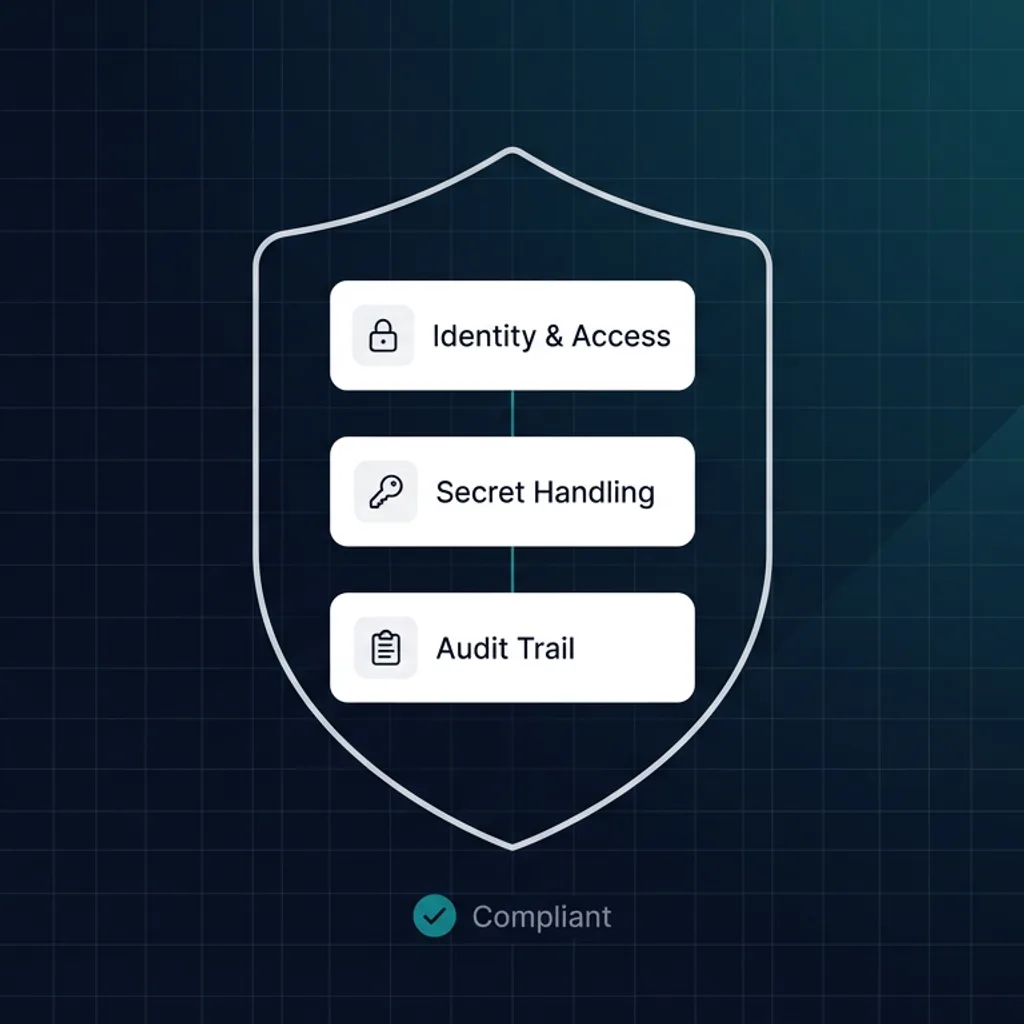
Security is not a feature bolted onto agents after deployment. It is an engineering constraint that shapes the build experience from the moment an agent is defined.
Identity, access control, secret handling, and auditability are built into the platform by default. Agents operate with strict boundaries, secure access to external systems, and defenses against adversarial attacks and data leakage from day one.
Current trust-center materials also reference encryption at rest and in transit, audit logging, penetration testing, vulnerability scans, and compliance-oriented controls that support safe deployment from the first line of configuration.
Build Once for Voice, SMS, Chat, and Web
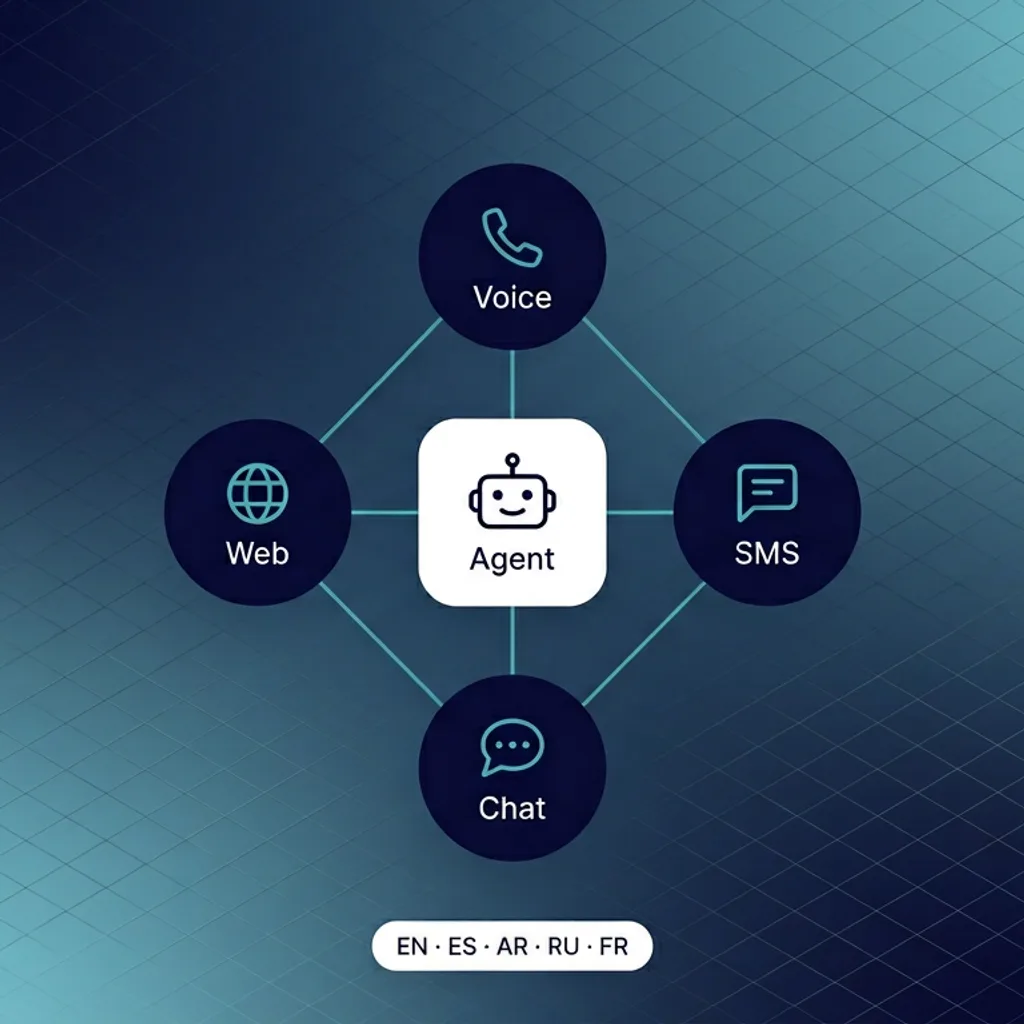
The build surface is designed to support real-world communications, not just browser demos. Teams can create agents that answer phone calls, handle SMS conversations, support web-based voice and chat, and route conversations into human workflows when needed.
Current public product material also points to support for English, Spanish, Arabic, Russian, and French in live customer experiences.
Start with Real-World Examples
Demo agents and example build patterns help teams understand what the platform can do before they commit to a production rollout. They also make it easier to show stakeholders how voice, SMS, and chat agents behave in practical business scenarios.
Ready to Build Your First Agent?
Start with code or conversation on the trusted neutral platform.